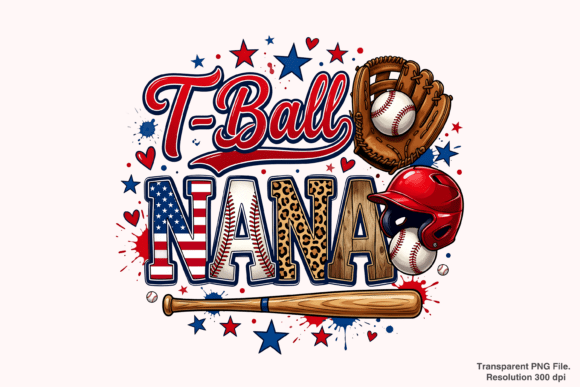
Evaluating T-ball Nana PNG and Baseball PNG Assets for Custom Apparel and Decor Projects
For crafters, small business owners, and DIY enthusiasts, selecting the right digital asset is often the difference between a professional-looking final product and a disappointing result. When working with heat transfer vinyl (HTV), sublimation, or direct-to-garment printing, the source file's quality dictates the outcome. Among the most popular themes in the sports crafting niche are designs centered around family support, specifically the T-ball Nana PNG and general Baseball PNG files. Understanding what these files offer, how they compare to other formats, and where they fit best in your workflow is essential for making an informed purchase decision.
Defining the Asset: What Makes a Premium PNG Distinct?
A T-ball Nana PNG or Baseball PNG is not merely an image; it is a functional tool designed for specific manufacturing processes. The term "PNG" refers to the Portable Network Graphics format, which is widely preferred in the crafting industry due to its ability to support transparency. Unlike JPEGs, which always include a solid background color (usually white), a high-quality PNG allows the design to sit seamlessly on any colored fabric, tumbler, or surface without requiring manual background removal.
The specific assets described in this evaluation typically come as a single premium file with a transparent background, sized at 12 × 12 inches with a resolution of 300 DPI (dots per inch). This specification is critical. A 300 DPI resolution ensures that when the image is printed or cut, the edges remain crisp and free of pixelation, even when viewed up close. Many free or low-cost alternatives found online are often 72 DPI, which is suitable for web display but disastrous for physical production. The distinction lies in the readiness of the file; a premium download is "print-ready," meaning it requires no upsizing or vectorizing before use in software like Cricut Design Space, Silhouette Studio, Adobe Illustrator, or Canva.
Comparing Formats: PNG vs. SVG and JPEG
When evaluating digital resources for sports-themed projects, creators often encounter a choice between PNG, SVG (Scalable Vector Graphics), and JPEG formats. Each serves a different purpose, and understanding the tradeoffs is vital.
- PNG (Raster Image): Ideal for sublimation, water decals, and printable HTV. Because the T-ball Nana PNG discussed here is a raster image with fixed dimensions (12x12 inches), it is perfect for users who want to print the design exactly as seen. It preserves complex details like gradients, shadows, and vibrant colors that might be lost in simpler vector formats. However, unlike vectors, raster images have a maximum size limit; enlarging them beyond their intended resolution can lead to blurriness.
- SVG (Vector Image): Best for cutting machines using solid color vinyl. If your primary goal is to cut shapes out of adhesive vinyl rather than print a full-color image, an SVG might be preferable. SVGs can be scaled infinitely without quality loss. However, for sublimation on tumblers or mugs, where full-color photography or detailed illustrations are required, the PNG format is generally superior.
- JPEG (Compressed Image): Generally unsuitable for professional crafting due to the lack of transparency and potential compression artifacts. While some beginners might attempt to use JPEGs, the extra time spent removing backgrounds often outweighs the initial cost savings.
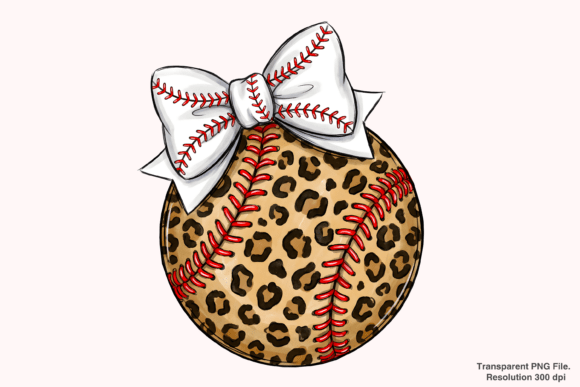
In the context of creating trendy t-shirts, hoodies, or tote bags, the Baseball PNG offers a balanced approach. It provides the color depth needed for modern, vibrant designs while maintaining the ease of use associated with drag-and-drop functionality in design software.
Practical Applications and Use Cases
The versatility of a high-resolution T-ball Nana PNG extends far beyond a single project type. Its utility depends largely on the material and method chosen by the creator.
Sublimation Projects
Sublimation involves transferring dye into polyester fibers or polymer-coated surfaces. This method thrives on high-resolution raster images. A 300 DPI Baseball PNG is ideal for coating tumblers, mugs, and mouse pads. The transparent background ensures that the design wraps cleanly around curved surfaces without unsightly white boxes. For example, applying this design to a 20oz skinny tumbler requires an image that maintains clarity when stretched or wrapped; a lower-resolution file would appear grainy.
Heat Transfer Vinyl (HTV) and Printable Vinyl
For cotton t-shirts and hoodies, printable HTV is a common choice. Here, the T-ball Nana PNG is printed onto a special vinyl sheet and then heat-pressed onto the garment. The vibrant color quality mentioned in premium listings is crucial here, as home printers can sometimes dull colors. Starting with a high-quality source file mitigates this risk. Additionally, these files work well for creating stickers or decals for laptops and water bottles using printable vinyl.
Home Décor and Paper Crafts
Beyond apparel, these assets are excellent for greeting cards, invitations, and wall art. A grandparent might wish to create a personalized banner for a T-ball season opener or custom invitations for a team party. The 12 × 12-inch dimension is particularly convenient for scrapbooking and standard card-making sizes, reducing the need for excessive resizing.
Decision Factors: When Is This the Right Choice?
While a premium T-ball Nana PNG is a robust resource, it is not the universal solution for every scenario. Evaluating your specific needs will help determine if this is the right investment.
Choose this option if:
- You plan to use sublimation or printable vinyl methods.
- You need a design that is ready to use immediately without editing or tracing.
- Your project size fits within or is smaller than the 12 × 12-inch provided dimensions.
- You value time efficiency and want to avoid the hassle of cleaning up messy backgrounds from free clipart.
- You are a small business owner looking for commercial-use assets to create products for sale.
Consider an alternative if:
- You require a design larger than 12 × 12 inches for a large format print (e.g., a backyard banner). In this case, a vector (SVG/EPS) file that can be scaled infinitely would be safer.
- You exclusively use solid-color adhesive vinyl and a cutting machine without a printer. An SVG cut file would streamline this workflow.
- You need to significantly alter the individual elements of the design (e.g., moving the baseball bat separately from the text). While some PNGs allow layer manipulation if opened in advanced software, they are generally less flexible than layered vector files.
Technical Considerations and Limitations
It is important to manage expectations regarding digital downloads. As noted in product descriptions, these listings are for digital files only; no physical item is mailed. Furthermore, color variation is an inherent limitation of the printing industry. The colors seen on a monitor (RGB color space) often differ from those produced by a printer (CMYK or sublimation dye profiles). A "vibrant" design on a screen may appear slightly muted or shifted in hue once printed, depending on the printer model, ink quality, and substrate used.
Users should also be aware of software compatibility. While the PNG format is universally supported, ensuring your design software is set to handle 300 DPI images correctly is necessary. Some web-based editors automatically compress uploads, which could degrade the quality of a high-resolution file. Always check your export settings before sending a design to print.
Final Thoughts on Value and Utility
In the crowded marketplace of digital crafting assets, the value of a T-ball Nana PNG or Baseball PNG lies in its reliability and specificity. For adults managing small businesses or creating heartfelt gifts, the time saved by avoiding low-quality freebies is significant. The tradeoff of paying for a premium file is balanced by the assurance of clean lines, proper transparency, and print-ready resolution.
Ultimately, the decision rests on your production method. If your workflow involves full-color printing on fabrics or hard goods, this format is arguably the industry standard. By understanding the technical specifications—such as the importance of 300 DPI and transparent backgrounds—you can confidently integrate these designs into your projects, knowing they are optimized for professional results. Whether for a one-off gift for a grandchild or a batch of team merchandise, selecting the right file format is the first step toward a successful creation.