Leveraging Niche Sentiment: The Strategic Value of Specialized Digital Designs
In the rapidly evolving landscape of the creator economy, the distinction between a hobbyist and a professional entrepreneur often comes down to the ability to identify and capitalize on specific cultural moments. As digital marketplaces become increasingly saturated, the most successful creators are those who pivot away from generic imagery and toward hyper-specific, emotionally resonant designs. A prime example of this shift is the growing demand for themed assets like the Baseball Grandma PNG and complementary Mother's Day PNG files. These are not merely clipart; they represent a sophisticated understanding of consumer identity, seasonal marketing cycles, and the technical requirements of modern print-on-demand workflows.
The Intersection of Identity and Commerce
To understand why a design featuring a "Baseball Grandma" garners significant attention, one must look beyond the surface-level aesthetics. We are living in an era where personal identity is increasingly curated through consumption and customization. Consumers no longer want mass-produced apparel that looks identical to what everyone else is wearing. They seek items that validate their specific roles within their families and communities. The grandmother who spends her weekends in the bleachers cheering for her grandchildren represents a powerful demographic archetype. She is active, proud, and deeply invested in family legacy.
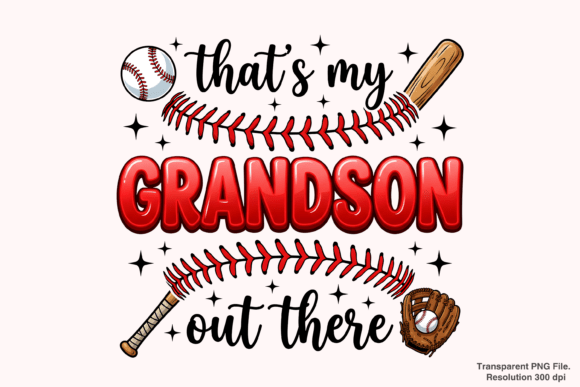
When a designer utilizes a high-quality Baseball Grandma PNG, they are tapping into this narrative. It allows the end-user to wear their pride literally on their sleeve. This trend aligns with broader market movements where "niche-down" strategies outperform broad appeals. In the context of Mother's Day, the market is flooded with generic "Best Mom" slogans. However, combining the holiday with a specific interest—such as baseball—creates a unique value proposition. It transforms a standard greeting into a personalized statement of support. For marketers and freelancers, recognizing this nuance is critical. It shifts the conversation from selling a image file to selling a sense of belonging and recognition.
Technical Excellence as a Business Imperative
While the concept behind the design drives the emotional purchase, the technical execution dictates the professional viability of the product. In the world of sublimation, direct-to-garment (DTG) printing, and vinyl cutting, the quality of the source file is paramount. This is where the specifications of a premium asset become non-negotiable. A professional-grade listing typically includes a 1 Premium PNG File with a transparent background. This transparency is not just a convenience; it is a workflow necessity. It allows the creator to place the design onto any colored fabric or substrate without unsightly white boxes or manual editing hours.
Furthermore, the resolution standards have risen. The industry standard for high-quality print is now firmly set at 300 DPI (dots per inch). Files offered at lower resolutions may look acceptable on a screen but result in pixelated, unprofessional outputs when printed on a t-shirt or mug. A file sized at 12 × 12 Inches provides the flexibility needed for various applications, from a small pocket logo on a hoodie to a full-front graphic on a tote bag. When entrepreneurs select assets labeled as High-Resolution and Ready for Instant Download, they are investing in efficiency. They eliminate the need for upscaling software, which can degrade image quality, and ensure that their final product meets the expectations of discerning customers.
Expanding the Creative Workflow
The versatility of a single, well-crafted digital asset cannot be overstated. In the past, a designer might have needed separate files for different projects. Today, a robust PNG serves as the cornerstone for a multi-product launch. Consider the diverse range of applications available to the modern maker:
- Trendy T-shirts and Hoodies: The primary use case, leveraging cotton and blends for comfortable, wearable expressions of family pride.
- Sublimation Projects: Utilizing the vibrant color depth of PNGs to infuse designs directly into polyester fabrics or coated hard surfaces.
- Tumblers and Mugs: Creating durable, dishwasher-safe gifts that fit the lifestyle of the busy parent or grandparent on the go.
- Tote Bags and Stickers: Offering lower-cost entry points for customers who want to show support without purchasing apparel.
- Wall Art and Home Décor: Expanding the brand into the living space with framed prints or canvas transfers.
- Greeting Cards and Invitations: Using the graphic for seasonal correspondence, adding a personal touch to physical mail.
- DIY Crafts and Small Business Products: Empowering hobbyists to create inventory for local craft fairs and Etsy shops.
This adaptability speaks to a changing preference in how consumers interact with goods. The line between "consumer" and "creator" is blurring. Many individuals purchase these digital files not just to buy a finished shirt, but to engage in the process of creation themselves. This DIY culture fuels a secondary market where small business owners rely on reliable assets to stock their shelves. For these entrepreneurs, the ease of use and clean, vibrant design quality mentioned in premium listings are vital. They do not have time to troubleshoot corrupted files or fix poor layering; they need assets that integrate seamlessly into software like Adobe Illustrator, Canva, or Cricut Design Space.
Navigating the Digital Marketplace
As we look at the trajectory of digital sales, transparency and clarity in product listings have become key trust signals. When a seller notes that a listing is for a digital download only and that no physical item will be mailed, they are managing expectations upfront. This clarity reduces friction in the customer journey and minimizes return rates. Additionally, acknowledging that colors may vary slightly due to monitor and printer settings demonstrates professional integrity. It educates the buyer about the realities of color management in digital printing, fostering a relationship based on honesty rather than over-promising.
The relevance of themes like Baseball Grandma extends beyond a single season. Sports culture is perennial, and family dynamics are constant. While the peak demand may align with spring training or Mother's Day, the underlying desire for identity-affirming merchandise exists year-round. Forward-thinking creators anticipate these cycles. They prepare their inventories weeks in advance, ensuring that when the search volume spikes, their high-quality, compatible products are ready to capture the market. This proactive approach distinguishes sustainable businesses from fleeting trends.
Moreover, the compatibility of these files with most design and printing software ensures longevity. Technology changes rapidly, but the PNG format remains a universal standard. By sticking to established, high-fidelity formats, creators future-proof their assets. Whether a customer is using a decade-old laptop or the latest tablet, the file remains accessible and functional. This universality is crucial for reaching a broad audience, from tech-savvy Gen Z designers to older enthusiasts who may be less familiar with complex file conversions.
Conclusion: The Power of Specificity
Ultimately, the success of products centered around concepts like the Baseball Grandma PNG or specialized Mother's Day graphics lies in their ability to speak directly to the heart of the consumer. In a digital world often characterized by noise and generalization, specificity cuts through. It offers a mirror to the customer, reflecting their unique passions and relationships back to them. For the professional creator, the marketer, or the small business owner, the lesson is clear: success is found not in casting the widest net, but in crafting the most meaningful connection.
By prioritizing high-resolution technical standards, understanding the workflow needs of other creators, and aligning designs with deep-seated cultural values, entrepreneurs can build resilient brands. The tools are available—the transparent backgrounds, the 300 DPI clarity, the instant accessibility. The opportunity lies in wielding them with insight and purpose. As the market continues to mature, those who respect the intelligence of their audience and the craft of their trade will find themselves leading the pack, turning simple digital files into tangible expressions of love, pride, and community.